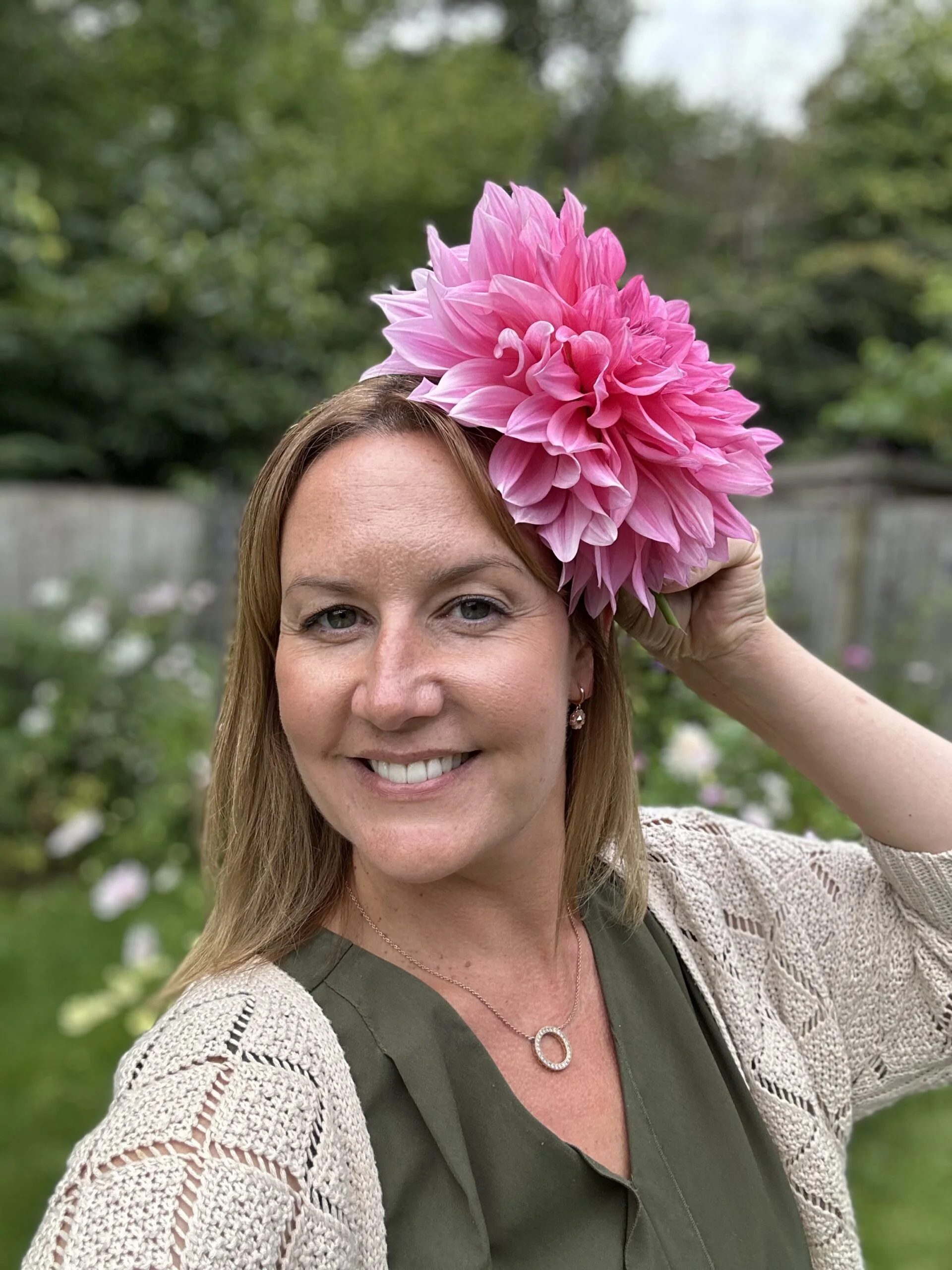
 Alexandra Oakley
 Dahlias have become one of those plants I simply make room for every year, even though I do not have a huge garden and definitely not a dedicated dahlia patch. I grow them because they give such a lot back: flowers for months, armfuls for the house, and those late summer evenings when the patio seems full of bees and butterflies.
I also grow them with a full awareness that they are not the neatest or most effortless thing in the world. There is the potting up, the staking, the slug worry, and then the muddy business at the end of the season. But for me they are still worth it.
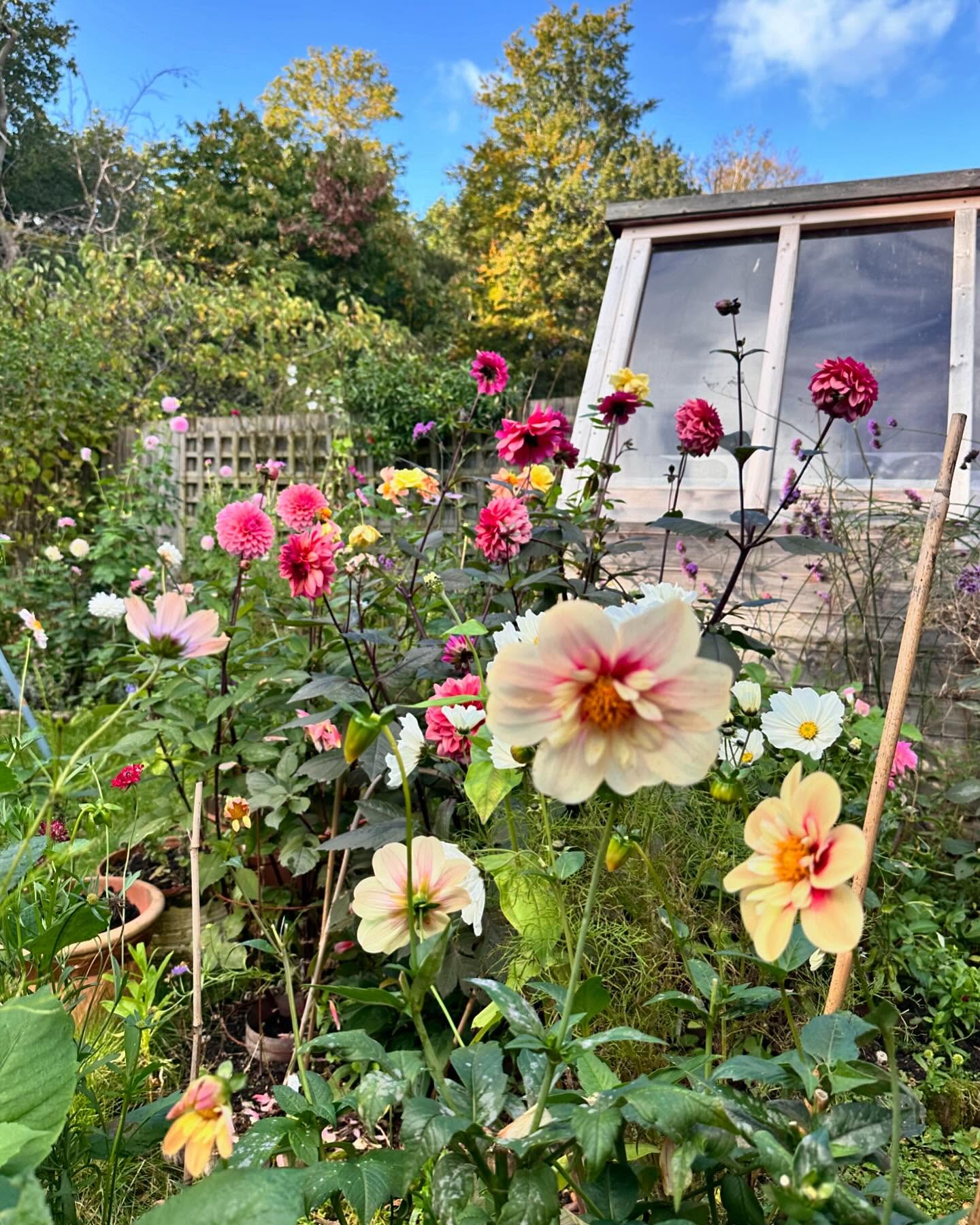
Why I still grow them, even without loads of space
A few well-chosen dahlias can completely change the feel of a garden from midsummer onwards.
If you only ever see dahlia content from large cutting gardens or specialist growers, it can feel as though you need a big dedicated area to make them worthwhile. I do not think that is true at all.
What I love most is the sheer amount of colour and presence they give when many of the earlier flowers are starting to fade. By late summer, dahlias can carry a border, fill a pot, and give you enough blooms to cut without the garden suddenly looking empty.
I am also realistic about the fact that they do ask for something in return. They are not a plant to shove in the ground and forget about. But if you want flowers that feel generous, theatrical and full of personality, I think they more than earn their place.
I grow them in both borders and pots
In my garden I use dahlias in two main ways. Some go into the borders, where they help carry the garden through late summer and early autumn. Others go into large pots on the patio, where I can see them through the back doors and enjoy all the pollinators buzzing around them.
The ones in pots feel especially worthwhile because they bring the flowers right up close to the house. There is something very cheering about catching sight of them first thing in the morning or in the evening light. Pots are also useful if you are short on border space but still want that dahlia moment.
The dahlias I know are destined for the border are the ones I usually pot up first in spring. The ones that will eventually go into my big patio pots I am often happy to plant more directly later, especially once the tulips are over and those containers are free again.
Why I pot up tubers in spring
Potting up tubers in spring has become one of the main things I do to give dahlias a better start. I do not pot up every single one, but I nearly always do it for the ones that are going into the ground.
Why potting up first is worth the effort
They get a head start, which usually means earlier flowers. Bigger plants are less vulnerable to slugs and snails. It is easier to spot problems while they are still in pots. And tubers left in storage too long can start to shrivel.
Once I have potted them up, I usually leave them in the shed to grow on. If after a few weeks I am not seeing any signs of life, I will sometimes bring them indoors for a while to see whether a bit more warmth encourages them to sprout.
What I tend to plant more directly
The tubers from the previous year that I plan to use in my large summer pots are the ones I am more likely to plant more directly once the spring display is over. In pots they are not quite as vulnerable as a tiny young plant dropped into open ground, so I do not feel the same urgency to give every single one a big head start.
This also keeps spring a bit more manageable. If I tried to pot up absolutely every dahlia tuber and every other seedling at the same time, I would very quickly run out of space, compost, patience, or all three.
Planting out and the danger of the early weeks
The early weeks are when dahlias feel most vulnerable in my garden. A small tender plant in a border can be irresistible to slugs and snails, which is why I like planting out something with a bit of substance behind it rather than a tiny just-sprouted shoot.
It often involves checking plants more than once, noticing that something has been nibbled, and trying not to become too dramatic about it. But bigger plants do generally cope better, which is another reason I keep returning to potting up first.
If I am planting a dahlia into a border, I now try to think about the eventual size of the plant much earlier than I used to. In spring everything looks manageable. By late summer it can be another story entirely.
Support them earlier, and more sturdily, than you think
This is one of the big dahlia lessons I had to learn properly for myself. One year I remember thinking the bamboo canes I had used were more than sufficient and wondering what all the staking fuss was about. A few weeks later, everything had grown bigger, heavier and more enthusiastic than I had allowed for, and suddenly I understood the fuss perfectly.
Large dahlias, especially the big blousy types, can look absolutely fine right up until the point where they are not. A bit of wind, a spell of rain, or simply a mass of heavy flowers can turn a previously upright plant into a flopping tangle leaning into everything around it.
It is much easier to guide a plant into support than to wrestle a fully grown dahlia back into order once it has collapsed into its neighbours.
To pinch or not to pinch
Pinching is one of those jobs that sounds much more serious than it really is. All it means is cutting out the main growing stem so the plant branches lower down. The result is usually more stems and more flowers.
The trade-off is that pinching tends to delay the first flowers a bit. That is why I do not think of it as a moral issue or a rule that has to be obeyed every time. Sometimes I do it happily. Sometimes I leave a plant alone because I am impatient to see it flower.
One year with Dahlia Evanah I left the first main stem, and yes, anyone familiar with dahlias could probably tell I had not pinched it. But once that first flowering stem was finished, I cut it back hard, and that more or less had a similar effect anyway. So if you forget to pinch, or choose not to, I would not panic. Gardening is full of jobs that are helpful without being absolutely sacred.
Why dahlias in pots are worth the effort
I know there is a bit of work involved in filling large summer pots once the tulips are over, but I keep doing it because the result feels so worthwhile. Dahlias on the patio bring the whole season closer to the house. They make everyday life feel more floral, if that makes sense.
They are also a very good way of enjoying a few special varieties without needing to redesign an entire border around them. If space is limited, I would much rather grow a handful of dahlias well in places where I will really see them than cram in lots and resent the upkeep.
Some of my best dahlia moments have not been grand sweeping border views at all, but seeing those flowers through the back doors in the evening light, with bees and butterflies still moving around them.
The muddy part no one really romanticises
At the end of the season, the mood changes rather dramatically. Emptying out dahlia pots is a messy, muddy, often rather cold job, and I always seem to forget quite how filthy it is until I am in the middle of it again.
If the weather is wet and there are no dry days on the horizon, there is not much to do except put on a raincoat, gardening gloves and unsuitable levels of optimism, and get on with it. This is very much the unglamorous side of dahlia growing.
In my garden, the dahlias in pots are the ones I am most likely to lift and store. Some years I may leave the ones in the borders in place and accept that I have less to dig up. But if you garden somewhere wet, I do not think it is over-cautious to worry about rot. That was exactly why I first lifted a dahlia tuber back in the beginning.
How I store dahlias over winter
My storage method is very simple. The dahlias I have dug up, mainly the ones from pots, go into our garage because it stays dry, dark and frost free. That matters much more than anything fancy.
Winter storage essentials
Where: somewhere dry, dark and frost free — a garage or shed works well.
How: stackable crates, newspaper, mesh bags or hessian sacks.
The one rule: make sure the tubers are thoroughly dry before they go away. Damp tubers rot.
Once they are stored, I do not fuss over them constantly. I check them a few times over winter to make sure everything still looks sound, and that is about it until spring. Then the whole cycle starts again.
A few dahlia lessons I keep coming back to
- You do not need dozens of dahlias for them to make an impact.
- Potting up first is worth doing for the border ones.
- Support always looks excessive in spring and never enough by September.
- Pinching is useful, but forgetting once is not the end of the world.
- Pots are a brilliant option if you want dahlias close to the house.
- Storage only works properly if the tubers are dry before they go away.
The kinds of dahlias I value most
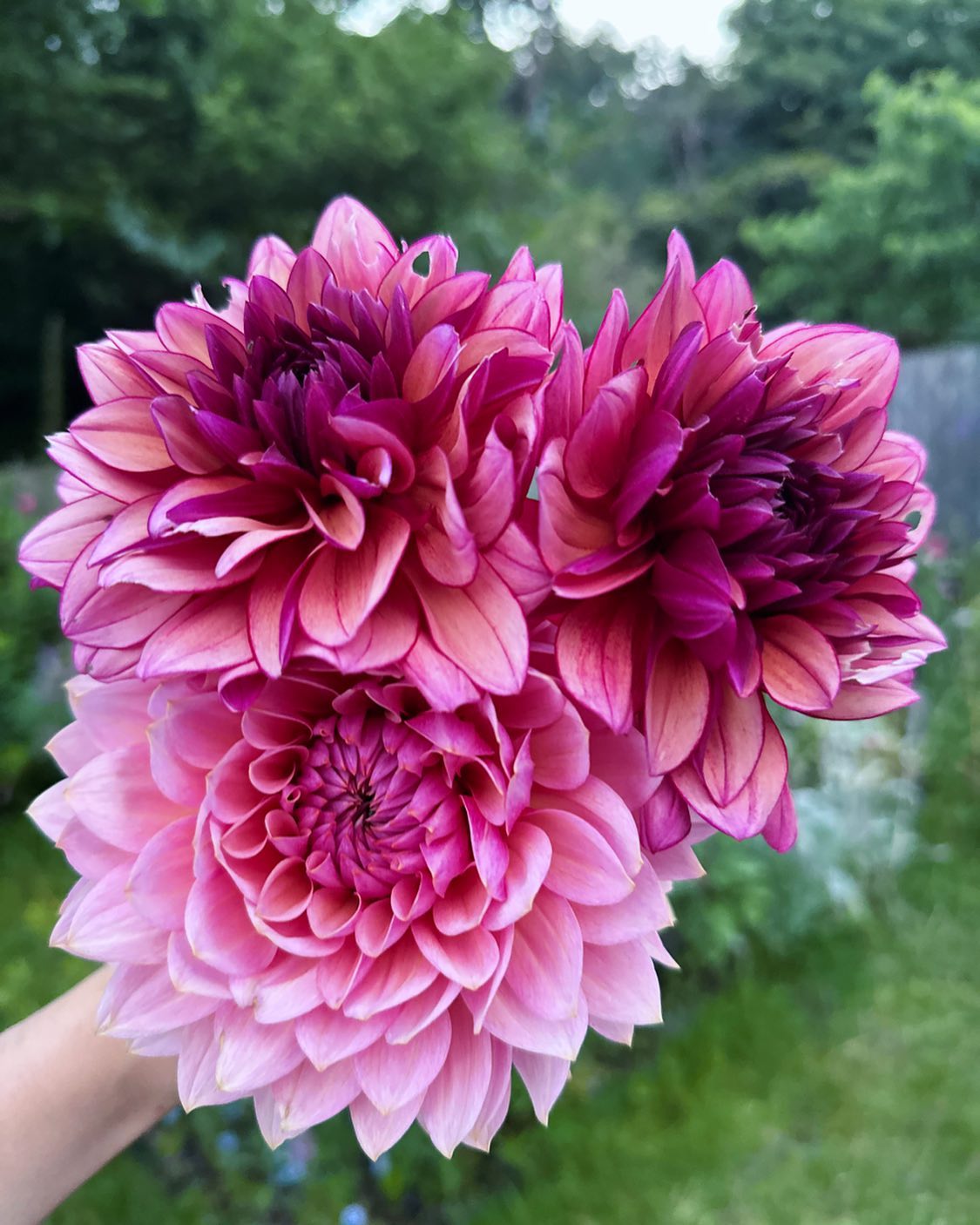
Like most people who grow dahlias, I am not immune to falling in love with a beautiful new one. Cafe au Lait will always have that effect on me, especially when the light catches it properly. But I have also learnt to value the productive, sturdy, generous ones every bit as much as the glamorous divas.
American Dawn is one I have felt I would not really want to be without, because it is both beautiful and useful. The more years I garden, the more I appreciate varieties that do not just look lovely in one perfect photograph but genuinely perform well over the season.
Final thoughts
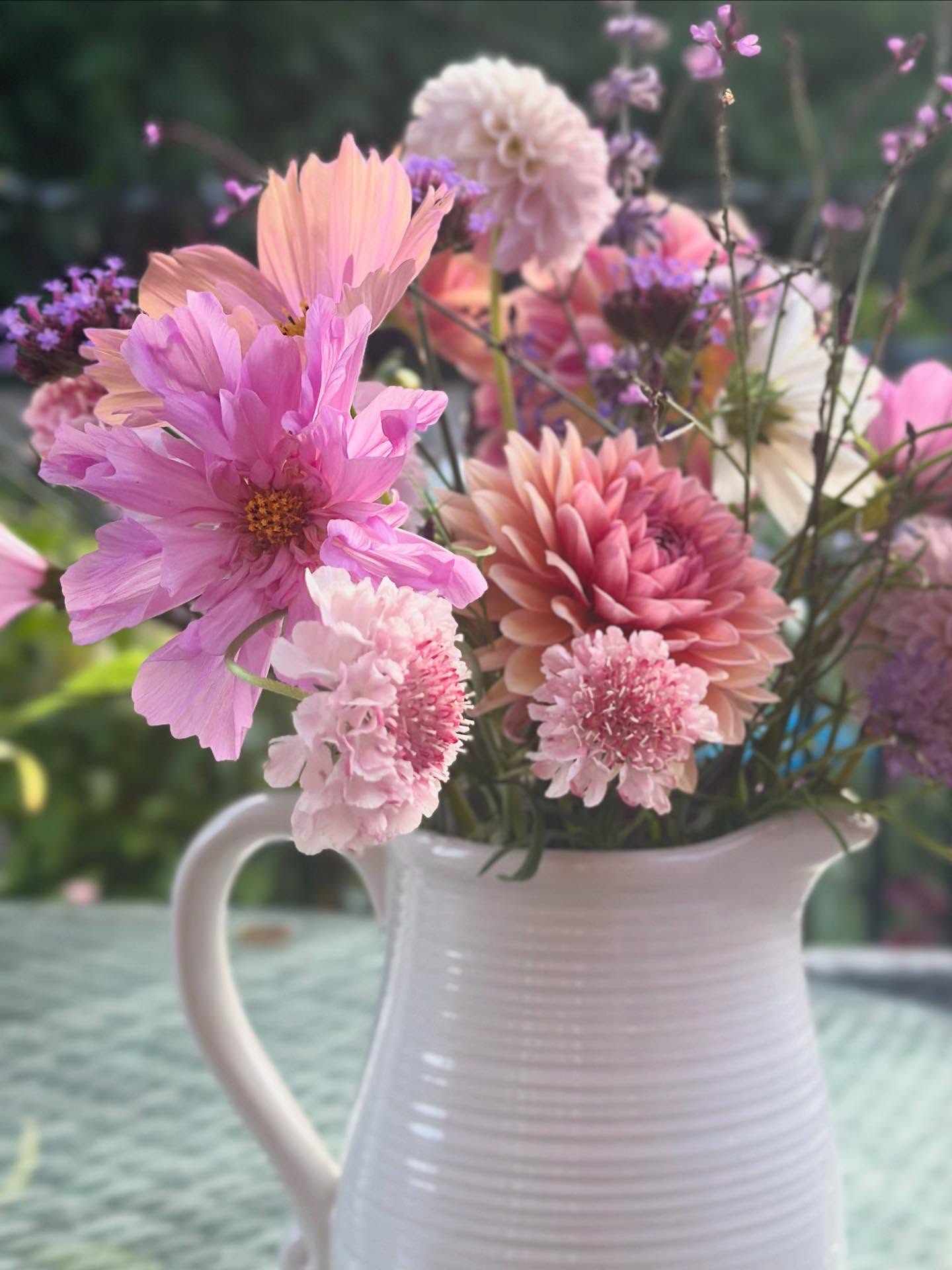
If you are hesitating over whether dahlias are too much trouble, I do understand. They are not the lowest-maintenance plant I grow. But I also think they are one of the most rewarding.
You do not need a giant cutting garden or a perfect system to enjoy them. A few tubers, a bit of support, some willingness to learn as you go, and acceptance that parts of the process are muddy and inconvenient is really enough to get started.
Every year when the first proper dahlia flowers appear, I find myself thinking exactly the same thing: yes, all right then, they were worth it after all.